Fall 2026: Where New Games Go to Die? 10 Launch Tips for Indie Developers
Late last year, we laid out a roadmap for marketing your game in 2026. Now that we’re moving into the back half of the year, the landscape has only become more intense.
With blockbuster releases dominating headline space and massive AAA titles like Grand Theft Auto VI drawing near, standing out requires more than just making a great game it demands smart timing, realistic positioning, and sharp audience targeting.
If you are an indie developer aiming to launch between now and early 2027, here are ten essential considerations to maximize your visibility and sales.
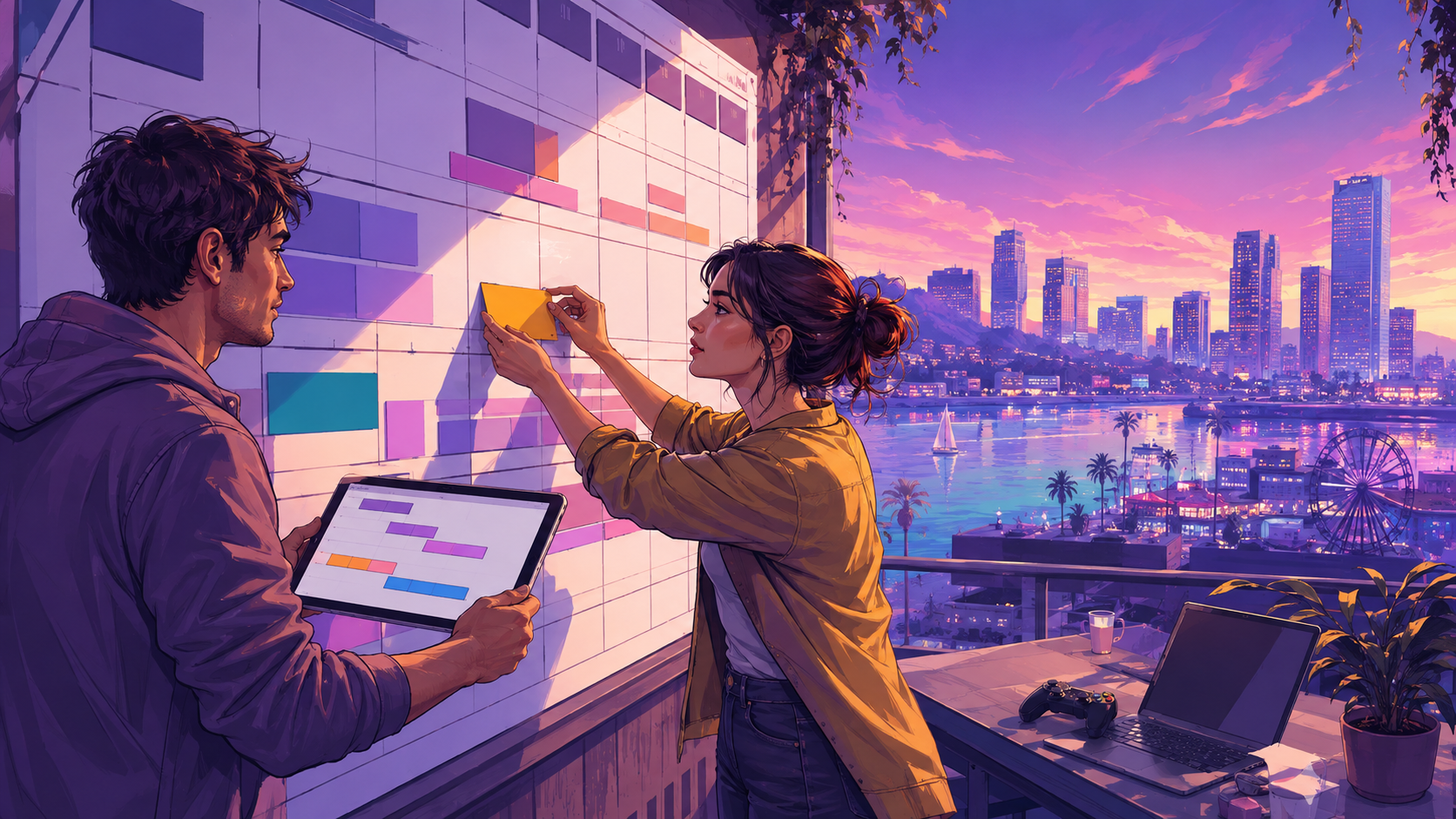
1. Avoid the September Deluge
Late Q3 is shaping up to be exceptionally crowded. A wave of high-profile blockbusters including titles like Marvel’s Wolverine, Onimusha, Blood of the Dawnwalker, and the Control sequel are all lining up for release. Trying to launch a core indie title in September means competing directly for review slots and headline space against multi-million-dollar marketing budgets. Unless your game offers a completely distinct niche, avoid launching in late September.
2. Target the PC-Only Audience in November
While GTA 6 will dominate November, remember that it’s console-only for now. That leaves millions of PC-only players sitting on the sidelines without a console release to play. If your game is a PC-first title especially in genres like strategy, simulation, or complex RPGs—November can actually work in your favor if you market specifically to PC communities looking for their next game.
3. Consider Dry January
No, not the refrain-from-alcohol type. Instead of fighting for attention during the November/December holiday rush where player wallets are depleted and big discount sales dominate Steam push your date slightly into mid-to-late January. Historically, January is quiet for major releases, giving gaming media and players a chance to breathe and look for fresh, standout indie experiences.
4. Pitch Genre Champions, Not Just Mainstream Outlets
Mainstream gaming outlets are running leaner teams and covering fewer titles, focusing most of their resources on top-tier AAA news. Don’t waste weeks pitching broad outlets that only cover blockbuster news. Instead, map out the specific journalists, YouTube creators, and Twitch streamers who exclusively cover your exact sub-genre. Pitching 20 hyper-relevant creators will net a much higher conversion rate than pitching 200 generalists.
5. Get Into October’s Steam Next Fest
If you plan to launch in late Q4 or early 2027, the October Steam Next Fest is your most critical pre-launch milestone. Valve allows games to participate in Next Fest only once prior to release, so treat this like a soft launch. Ensure your demo is polished, bug-free, and leaves players wanting more. Use this week to collect feedback, build wishlists, and capture the attention of mid-tier streamers who use Next Fest to discover new titles.
6. Deploy an Army of Micro Influencers
Paid deals with massive top-tier creators can drain your marketing budget in minutes without guaranteeing long-term sales. Shift your focus toward micro and mid-tier influencers (5k to 50k followers/subscribers) who have high engagement rates and loyal audiences. These creators actively seek new games to feature, are more accessible to work with, and their audiences trust their recommendations far more than sponsored ads.
7. Leverage Curated Showcases like The MIX and IGN Fall Fan Fest
Instead of spending thousands on physical booths at giant conventions, lock in slots at curated, high-intent digital showcases. Outlets and streams like The MIX (Media Indie Exchange) and IGN’s Fall Fan Fest offer direct access to millions of engaged players actively looking for indie titles. Securing a trailer slot or gameplay reveal in these curated shows gives you built-in editorial credibility and drives immediate Steam wishlist spikes without the overhead of physical event travel.
8. Price Responsibly for Budget-Conscious Players
Player spending remains tight, and subscription fatigue is real. Take a hard look at your pricing strategy against direct competitors in your genre. A fair, competitive price point paired with a small launch discount (10-15%) makes it much easier for players to justify picking up an unproven indie title over saving up for full-priced AAA games.
9. Optimize Your Platform Pages & Assets
While media coverage helps build credibility, store visibility drives actual purchases. Work early on your store page optimization (Steam capsule art, clear trailers, localization). Reach out to platform managers at Valve, Epic, or console storefronts well in advance to pitch for front-page featuring, genre sale inclusion, or developer spotlights during your launch week.
10. Build a Direct Line to Your Early Adopters
External platforms like social media algorithms change constantly, but your Discord server, mailing list, and Steam Community Hub are spaces you control directly. Focus heavily on keeping these core fans updated during the final months before launch. A small, active community that buys and reviews your game on Day 1 helps push your title into Steam’s organic algorithms (like “Popular New Releases”), which is what ultimately drives long-tail sales.
Don’t Launch in the Dark
Choosing the right launch window can make or break years of hard work. If you’re feeling unsure about where your title fits in the late 2026 calendar or want an expert team to help you navigate the noise we’re here to help.
Confused about when or how to launch your game? Book time with Reverb to build a custom Go-To-Market strategy tailored specifically to your title.
Recent Blog Posts

Meta VR Glasses: Is This VR’s Next Big Step?
Meta VR Glasses put virtual reality in a lighter form factor. Reverb reflects on Mark Zuckerberg’s Meta Connect 2026 reveal and what it could mean for gaming.

Behind the Scenes at the Tides of Annihilation Chengdu Preview Event
Behind the Scenes at the Tides of Annihilation Chengdu Preview Event In August 2026, we headed to Chengdu with more than 20 invited media and...

Bringing Gate Zero to Gamescom 2026
Bringing Gate Zero to Gamescom 2026 By the end of Gamescom 2026, Gate Zero had logged more than 1,500 demos played and 42 press interviews and...
Contact REVERB for a free consultation

OUR SERVICES
OUR PARTNERS
MEET THE TEAM